Imagine being released from prison and walking into a world full of challenges—no job, no home, and no guidance. How do you succeed?
What happens when someone leaves prison — ever wonder how someone successfully reintegrates into society after prison? Discover what reentry programs are, how they help formerly incarcerated individuals reintegrate into society, their key services, and why they are crucial for reducing recidivism and strengthening communities in 2026.
Table of Contents
What “reentry programs” mean in 2026
Think of a reentry program like a support system for people who are coming out of jail or prison. It’s designed to help them get back on their feet and successfully reintegrate into society.
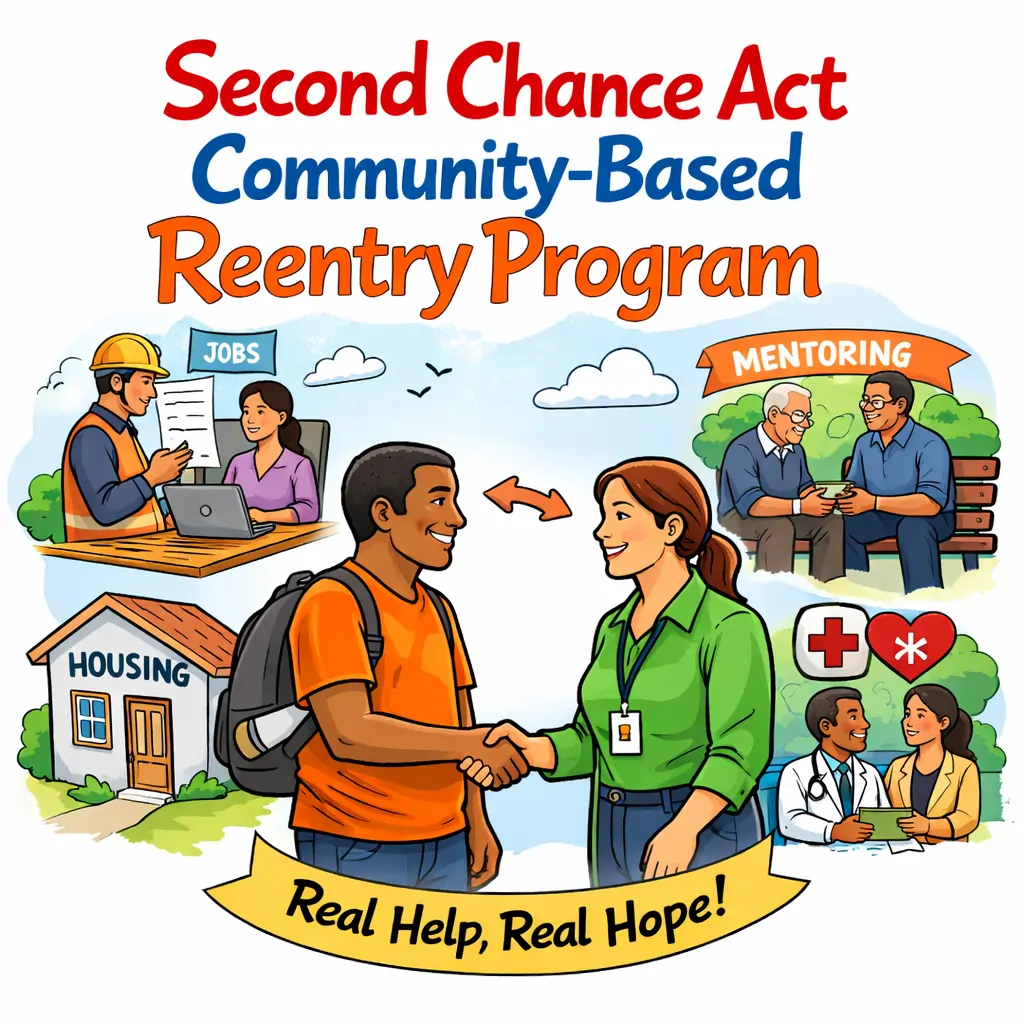
When someone leaves incarceration, life can be tough—they might need a job, a place to live, help with education, or support for mental health or addiction issues. Reentry programs provide all of that. They connect people with resources like job training, housing assistance, counseling, legal aid, and even mentorship.
The main goal is to reduce the chances of going back to prison (recidivism) while helping people rebuild their lives and contribute positively to their communities. In short, it’s about giving people the tools, guidance, and opportunities to start fresh and succeed after leaving the justice system.
How does a reentry program work?
When people ask “how does a reentry program actually work?”, the best way to explain it is this: Reentry doesn’t start when someone leaves prison—it starts the very first day they enter.
That’s the official approach used by the Federal Bureau of Prisons, and it shapes everything that follows. In this article, we split the whole reentry process into five practical steps as follow:
Step 1: Preparation Starts Inside Prison
From early in incarceration, individuals are encouraged to build useful, real-world skills through:
- Work programs like Federal Prison Industries (UNICOR)
- Vocational training (carpentry, electrical work, etc.)
- Educational courses and job-related skills
These programs help people gain experience and confidence, especially if they’ve been out of the workforce for years. The goal here is simple: don’t wait until release—start building a future immediately.
Step 2: Intensive Release Preparation (Last 18 Months)
About 18 months before release, preparation becomes more focused and practical. At this stage, individuals go through structured Release Preparation Programs, which include:
- How to write a résumé
- How to search for jobs
- How to pass interviews
- How to keep a job long-term
Many facilities even organize mock job fairs, where inmates:
- Practice interviews
- Meet real employers
- Learn what companies are actually looking for
This step is critical because many individuals may have never learned how to job hunt properly.
Step 3: Connecting to Real Opportunities
Reentry programs don’t just teach—they connect people to real support:
- Employers with open positions
- Community organizations offering training
- Job placement programs after release
These partnerships ensure that individuals aren’t starting from zero when they leave prison.
Step 4: Transition into Society (Halfway Support)
Before full release, many individuals are placed in:
- Residential Reentry Centers (also called halfway houses)
These centers help people:
- Adjust to daily life outside prison
- Search for and secure employment
- Build routines and responsibility
Think of this as a “soft landing” instead of a sudden drop into society.
Step 5: Basic Support on Release
To make the transition smoother, some individuals may receive:
- A small release gratuity (money)
- Clothing for job interviews
- Transportation support to their destination
These may seem small, but they solve immediate problems that could otherwise derail progress.
Putting it all together:
A reentry program works by training, preparing, and gradually transitioning individuals from prison to society, while giving them the tools, connections, and support needed to find a job and live independently.
Top Services Reentry Programs Provide
So now that you know what reentry programs are and how they work, you’re probably wondering: “What kind of help can someone actually get?” The answer is—quite a lot. Reentry programs are designed to give people the tools they need to succeed after leaving prison, and that support comes in many forms.
1. Employment and Job Support
Finding a job after incarceration can feel impossible, but reentry programs are there to bridge that gap. They help with:
- Job training and skills workshops
- Resume writing and interview preparation
- Connecting participants with employers willing to hire
A stable job isn’t just about earning money—it’s a big part of staying out of the system for good.
2. Education and Skill Development
Reentry programs often offer ways to continue learning, whether someone wants to finish a GED, take vocational classes, or even pursue higher education. Learning new skills opens doors to better job opportunities and helps build confidence.
3. Housing Assistance
A roof over your head makes all the difference. Many programs provide:
- Transitional housing while people get back on their feet
- Support finding permanent housing
- Help navigating rental applications
Having a safe, stable place to live is one of the biggest factors in reducing recidivism.
4. Mental Health and Substance Abuse Services
Life after incarceration can be stressful, and some people need extra support to cope. Reentry programs provide:
- Counseling and therapy
- Addiction recovery programs
- Stress and anger management resources
Getting mental health or addiction support early helps people stay on track and make positive choices.
5. Legal Aid and Advocacy
Reentry programs also help with the legal side of things:
- Understanding parole or probation requirements
- Assistance with paperwork and documentation
- Sometimes even help expunging certain records
This kind of guidance can prevent unnecessary legal trouble and give participants a fresh start.
6. Mentorship and Peer Support
Finally, having someone who’s “been there” can make a huge difference. Many programs connect participants with mentors or peer support groups. These relationships:
- Provide encouragement and guidance
- Help build social connections in the community
- Give advice on overcoming everyday challenges
Reentry programs don’t just say, “Good luck out there!” They provide real, tangible support in areas that matter most: work, education, housing, health, legal issues, and personal guidance.
Why Do Reentry Programs Matter?
You might be thinking, “Okay, they offer a lot of services, but do these programs really make a difference?” The answer is a resounding yes. Reentry programs aren’t just about helping one person—they have a ripple effect that touches families, neighborhoods, and entire communities.
1. Reducing Recidivism
One of the biggest goals of reentry programs is to prevent people from returning to prison. By providing support like job training, housing, and counseling, participants are far less likely to re-offend. In other words, the programs help people stay on the right path for the long term.
2. Strengthening Families
Reentry isn’t just about the person leaving incarceration—it’s about their family too. Programs help individuals reconnect with loved ones, regain parental responsibilities, and rebuild trust. Strong family support can be a huge factor in a successful reintegration.
3. Building Safer Communities
When people have stable jobs, housing, and support networks, communities are safer overall. Reentry programs reduce crime and create neighborhoods where people can thrive instead of just survive.
4. Economic Benefits
Think about it: fewer people returning to prison means lower incarceration costs for taxpayers. At the same time, helping participants find employment puts more people into the workforce, supporting the local economy. It’s a win-win.
5. Promoting Social Inclusion
Many people leaving prison face stigma, discrimination, and isolation. Reentry programs help them feel like they belong again, giving them a sense of purpose and community. That social connection is just as important as housing or job training.
Reentry programs matter because they don’t just help someone survive—they help them thrive. They reduce repeat offenses, strengthen families, make communities safer, and give people a real chance to build a better future.
Who Reentry Programs Are For
You might be asking yourself, “Who actually benefits from reentry programs?” The truth is, these programs are designed for anyone who’s leaving incarceration and wants to successfully reintegrate into society. But let’s take a closer look at the different people and groups who can benefit.
1. Individuals Recently Released from Prison or Jail
The most obvious group is people who have just been released from prison or jail. Leaving incarceration can be overwhelming—suddenly, someone must navigate a world with new rules, responsibilities, and expectations.
Reentry programs help with:
- Employment: Training, resume building, job search support, and connecting with employers willing to hire.
- Housing: Finding safe, stable living arrangements—often a major barrier to successful reintegration.
- Education and Skills: GED programs, vocational training, and life skills development.
- Health and Well-Being: Counseling, addiction support, and mental health services.
Without this structured support, many people struggle to adapt, increasing the likelihood of returning to prison. Reentry programs bridge that gap and provide guidance, resources, and hope.
2. Individuals on Parole or Probation
Not everyone who leaves incarceration does so without oversight. Many are released on parole or probation, which comes with legal obligations and strict requirements.
Reentry programs assist by:
- Helping participants understand and comply with parole or probation rules.
- Providing structured support to prevent violations that could lead back to incarceration.
- Offering counseling, mentorship, and community-based resources to address personal challenges.
Programs make it easier for these individuals to navigate their new freedoms safely and successfully, reducing stress and giving them a clearer path forward.
3. People with a Criminal Record Facing Systemic Barriers
Even if someone has been out of incarceration for years, a criminal record can create lasting barriers. Jobs, housing, educational programs, and even social networks can be harder to access.
Reentry programs provide:
- Job training and employment placement for those who face discrimination.
- Legal assistance, such as help with expunging certain records or navigating licensing requirements.
- Mentorship and peer support, giving encouragement and guidance from people who’ve been through similar experiences.
This ensures that reentry programs are not just for recent releases—they also support anyone whose past convictions make it hard to fully participate in society.
4. Families and Communities
While programs focus on individuals, their impact extends to families and communities. Supporting a person returning from incarceration:
- Strengthens families by helping individuals regain parental responsibilities and reconnect with loved ones.
- Enhances community safety by reducing recidivism and encouraging positive social engagement.
- Challenges social stigma, helping communities view returning individuals as capable contributors rather than liabilities.
By investing in reentry programs, communities are helping individuals and families rebuild lives, creating safer neighborhoods, and promoting social inclusion.
Reentry programs are for anyone reintegrating into society after incarceration, whether they’re freshly released, on parole, facing systemic barriers from a criminal record, or part of a family impacted by incarceration. These programs provide the resources, guidance, and support that make successful reintegration possible, benefiting both the individual and society at large.
Common Challenges Reentry Programs Face That You Didn’t Know About
Even though reentry programs do a lot of good work, the journey back into society isn’t easy for most people — and there are big, measurable challenges that make the process harder than many realize.
1. High Recidivism and Re‑Arrest Rates
One of the biggest challenges tied to reentry is what researchers call the “revolving door” of incarceration. According to data on people released from prison by Prisonpolicy.org:
- About 68% were re‑arrested within three years of release.
- Unemployment, lack of stable housing, and poverty are major underlying factors in these re‑arrest rates.
This shows just how difficult it is for many people to stay out of the justice system without strong support.
2. Joblessness and Economic Barriers
Stable employment is one of the biggest predictors of success after release — but unemployment among people with criminal records remains high:
- Roughly 27% of formerly incarcerated individuals are unemployed.
- Many also lack a high school diploma or equivalent, which makes finding work even harder.
Rates like these show that even with reentry support, barriers to joining the workforce are real and persistent.
3. Housing Instability
People leaving jail or prison often have nowhere steady to live, and housing instability is closely linked to recidivism. Among formerly incarcerated individuals, rates of homelessness and housing insecurity are significantly higher than the general population.
Without a reliable place to live, it’s much harder to secure a job, connect with support services, or find the stability needed to rebuild a life.
4. Limited Education & Skills Training
About 25% of formerly incarcerated people don’t have a high school diploma, GED, or college degree — a factor that significantly impacts job opportunities.
This isn’t just a personal disadvantage — it’s a structural challenge that many reentry programs grapple with every day.
5. Limited Funding and Resources
Many programs struggle with money. They rely on government grants, donations, and nonprofit support, which can be unpredictable. Limited funding sometimes means fewer services, smaller staff, or waitlists for participants who need help.
6. Social Stigma and Discrimination
People leaving prison often face judgment or mistrust from employers, landlords, and even neighbors. This stigma can make it harder for participants to find jobs, housing, or even just a welcoming community—despite their willingness to rebuild their lives.
7. Coordination Between Agencies
Reentry involves lots of moving parts: parole officers, social services, community nonprofits, and sometimes schools or employers. When communication or coordination breaks down, participants can fall through the cracks.
8. Individualized Needs
No two people leaving incarceration have the same challenges. Some need mental health support, others need job training or housing first. Programs that can’t tailor services to individual needs may not be as effective.
8. Barriers to Employment and Housing
Even with support, some laws and policies can limit opportunities for people with criminal records. Background checks, housing restrictions, or licensing rules can create additional obstacles that programs must work around.
Reentry programs do incredible work, but they’re not magic. Funding gaps, social stigma, and systemic barriers can make success harder. That’s why ongoing support from communities, policymakers, and organizations is essential.
How Effective Are Reentry Programs?
A big question many readers have after learning what reentry programs are and who they serve is: “Do they actually work?” The short answer is: yes — but with some important nuances. Reentry programs can make a real difference, especially when they’re well‑designed and tailored to individual needs. Let’s break down what the research shows.
1. Reentry Programs Can Reduce Recidivism
One of the most important goals of reentry programs is to help people avoid returning to prison or jail — something researchers call recidivism. Several large‑scale reviews of reentry programs found positive results:
- A 2017 review by the Washington State Institute for Public Policy showed that more than half (53%) of reentry programs they reviewed significantly reduced recidivism, meaning participants were less likely to reoffend compared to similar individuals who didn’t take part in the programs.
- Many programs also showed benefits that outweighed their costs at least 75% of the time, meaning they weren’t just effective — they were cost‑effective.
This kind of evidence gives strong support to the idea that reentry programs can help break the cycle of reincarceration when services are put together thoughtfully and backed by good planning and funding.
2. What the Research Tells Us About Results
Research findings on reentry programs do vary depending on program type and evaluation method:
- Some reviews using strict scientific standards, like randomized controlled trials, found mixed results on whether reentry programs significantly reduce rates of re‑arrest or reconviction. A notable example is the systematic review and meta-analysis by Maria Berghuis (Leiden University, The Netherlands), titled “Reentry Programs for Adult Male Offender Recidivism and Reintegration” (PMCID: PMC6139987), which examined multiple studies and found that outcomes often depend on program design, target population, and delivery methods.
- Other studies show that programs combining pre-release and post-release services tend to have stronger impacts on recidivism.
- Research also emphasizes that individualized approaches — where services are tailored to the specific needs of participants — are generally more effective than one-size-fits-all programs.
What this tells us is not that reentry programs “don’t work,” but that their effectiveness often hinges on how they’re designed and delivered.
3. Broader Measures of Success
Recidivism isn’t the only way to measure effectiveness. Many reentry programs also show positive outcomes in other areas that matter:
- Increased access to services, such as having a reentry plan or a case manager — which itself is linked to better long‑term outcomes.
- Improved employment outcomes — research shows some reentry efforts help people secure jobs, especially when combined with workforce development and education support.
- Reduced substance use and better social stability in certain program types that integrate evidence‑based treatment.
These successes may not always show up directly in recidivism statistics, but they’re important markers of long‑term reintegration and community safety.
4. Why Results Sometimes Vary
It’s also worth noting why research doesn’t always show uniformly strong effects:
- Programs that don’t tailor services to individual needs tend to produce weaker outcomes.
- Some evaluation methods are more rigorous than others, and results can differ depending on how recidivism was measured.
- Research shows that programs beginning before release and continuing after tend to work better than those only offered at one point.
Reentry programs can be effective in helping people succeed after incarceration, especially when they are well‑planned, individualized, and supported by strong services before and after release. While not every program shows dramatic reductions in recidivism on its own, many produce meaningful improvements in stability, employment, and long‑term outcomes, making them a valuable part of the criminal justice landscape.
Success Stories and Real-Life Examples
It’s one thing to talk about services and challenges—but nothing hits home like real stories of people whose lives were changed by reentry programs. These stories show that with the right support, a fresh start is possible.
1. From Prison to a Stable Job
Take James, for example. After serving time, he joined a local reentry program that provided job training and resume support. Within months, he landed a full-time position at a manufacturing company. Today, James not only supports his family but also mentors others who are just starting their reentry journey.
2. Rebuilding Family Connections
Maria participated in a program that focused on family reunification and counseling. Through mentorship and therapy, she rebuilt relationships with her children and became an active part of her community again. Stories like hers show how reentry programs do more than reduce recidivism—they restore lives and relationships.
3. Overcoming Addiction with Support
For people struggling with substance abuse, reentry programs can be a lifeline. Take DeShawn, who joined a program offering addiction recovery support and mental health counseling. With guidance and peer mentorship, he completed rehab, stayed sober, and now works as a peer counselor to help others avoid the mistakes he once made.
4. Education Leading to Opportunity
Some participants pursue education to create long-term change. For instance, Lisa used her program’s GED and vocational training services to enter the healthcare field. Today, she has a stable career, proving that education can open doors for people who’ve faced significant barriers.
Real people, real changes. Reentry programs give individuals the support they need to turn their lives around, build stable futures, and positively impact their communities. These success stories make it clear why investing in reentry programs is worth it—for the participants and for society as a whole.
How Communities Can Support Reentry Programs
Reentry programs do incredible work, but they can’t succeed alone. Communities play a huge role in helping participants rebuild their lives. Even small efforts can make a big difference.
1. Volunteer Your Time
Many programs need volunteers to mentor, tutor, or provide guidance. If you’ve got skills in job training, counseling, or education, your help could directly impact someone’s success.
2. Offer Job Opportunities
Employers can be part of the solution. Hiring someone who’s actively participating in a reentry program not only gives them a chance at stability but also strengthens the workforce. Even internships, apprenticeships, or short-term contracts help.
3. Support Housing Initiatives
Communities can support transitional housing or affordable housing projects. Landlords willing to rent to program participants provide a safe, stable environment that’s critical for success.
4. Advocate for Policies and Funding
Community members can speak up for more funding, better policies, and support programs at the local, state, and federal levels. Awareness and advocacy can lead to stronger, more effective programs.
5. Reduce Stigma
Being welcoming, understanding, and nonjudgmental goes a long way. Encouraging neighbors, coworkers, and friends to see people as individuals, not their past mistakes, can dramatically improve reintegration outcomes.
Communities don’t just support programs—they empower people to succeed. Volunteering, offering jobs, supporting housing, advocating for better policies, and reducing stigma are simple yet powerful ways anyone can help.
Types of Reentry Programs You Should Know About
Not all reentry programs are the same. In fact, they’re designed to meet different needs depending on a person’s situation, background, and goals.
Some programs focus heavily on job training and employment, while others specialize in housing support, addiction recovery, or education. There are also faith-based programs, government-funded initiatives, and nonprofit-led support systems, each offering unique approaches to reintegration.
Understanding the different types can help individuals and families choose the right kind of support for long-term success.
Want a full breakdown of each type and how to choose the right one? Read our complete guide on Types of Reentry Programs (2026)
How to Access or Enroll in a Reentry Program
One of the most common questions people ask is: “How do I actually get into a reentry program?”
The process can vary depending on the program, but in most cases, enrollment starts either before release (through prison coordinators) or after release through community organizations, nonprofits, or government agencies.
Some programs require referrals, while others allow direct applications online or in person. Knowing where to look and what steps to take can make the process much smoother.
Need step-by-step guidance and real resources you can apply to today? Check out our full guide on How to Access Reentry Programs Near You.
Benefits of Reentry Programs (Why They Matter Even More Than You Think)
Reentry programs don’t just help individuals — they create long-term benefits for families, communities, and even the economy.
Participants often experience:
- Better access to jobs and stable income
- Reduced chances of returning to prison
- Improved mental health and support systems
- Stronger family relationships
On a larger scale, these programs help reduce crime rates, incarceration costs, and social inequality.
See the full list of benefits backed by data and real-world outcomes: Explore the Top Benefits of Reentry Programs in 2026
Grants and Funding for Reentry Programs 2026
Many reentry programs are powered by government grants, nonprofit funding, and private initiatives. These funds support services like housing, job training, and counseling for formerly incarcerated individuals.
If you’re an organization — or even an individual looking for opportunities — understanding available funding can open doors to life-changing support.
Discover currently available funding opportunities and how to apply: View Active Reentry Program Grants (2026)
Conclusion: What Reentry Programs Really Mean in 2026
At this point, we’ve covered a lot — and one thing is clear: reentry programs play a critical role in helping people rebuild their lives after incarceration.
We started by breaking down what reentry programs are — structured support systems designed to guide individuals as they transition back into society. From there, we explored how these programs work, including pre-release planning, post-release services, and ongoing case management that helps individuals stay on track.
We also looked at who reentry programs are for — not just people leaving prison or jail, but also individuals on parole, those facing long-term barriers due to criminal records, and even the families and communities affected by incarceration.
From there, we dove into the core services provided, including job training, housing support, education, mental health care, and mentorship — all essential tools for building a stable and productive life.
Of course, we didn’t ignore reality. We discussed the challenges reentry programs face, from limited funding and social stigma to systemic barriers like unemployment and housing restrictions. These challenges highlight why continued support and awareness are so important.
We also explored real-life success stories, showing that with the right support, people can and do turn their lives around. Communities become safer, families are rebuilt, and individuals find purpose again.
Most importantly, we examined how effective reentry programs really are. While research shows mixed results in some cases, especially in strict studies like those by Maria Berghuis, there is strong evidence that well-designed, personalized programs can reduce recidivism, improve employment outcomes, and create long-term stability.
Looking ahead, we saw how future trends in 2026 and beyond — like technology, personalized services, and stronger partnerships — are making reentry programs even more impactful.
Reentry programs are not just about second chances — they’re about creating real opportunities for lasting change, both for individuals and for society as a whole.
FAQs
What is a reentry program?
A reentry program is a support system that helps people transition from prison or jail back into society by providing services like job training, housing assistance, and counseling.
Do reentry programs really reduce recidivism?
Yes, many studies show that well-structured reentry programs can reduce the chances of reoffending, especially when they offer personalized support and services both before and after release.
Who qualifies for a reentry program?
Most programs are designed for individuals leaving incarceration, those on parole or probation, and sometimes people with criminal records facing employment or housing barriers.
How can someone enroll in a reentry program?
Enrollment can happen through prison referrals before release or by applying through community organizations, nonprofits, or government agencies after release.
What services do reentry programs typically offer?
They commonly provide job training, education, housing support, mental health services, addiction recovery programs, legal aid, and mentorship.
Are reentry programs free?
Many reentry programs are free or low-cost because they are funded by government grants, nonprofits, or community organizations.
Why are reentry programs important for communities?
They help reduce crime, lower incarceration costs, strengthen families, and create safer, more stable communities by supporting successful reintegration.
If you’ve made it this far, you already understand how important reentry programs are — but knowing where to find trusted information and real opportunities is just as important.
That’s where grantsreentryprograms.us comes in.
At grantsreentryprograms.us, we provide:
- Up-to-date information on reentry programs across the U.S.
- Verified listings of grants, funding opportunities, and support initiatives
- Step-by-step guides on how to apply, enroll, and qualify
- Resources for individuals, families, and organizations navigating reentry
Whether you’re looking for help, supporting someone, or simply want to stay informed, our platform is built to give you clear, reliable, and actionable information.
Visit grantsreentryprograms.us today and explore the latest opportunities, guides, and resources designed to help people successfully rebuild their lives after incarceration.
Share this article…