Explore the types of reentry programs in 2026, from employment and housing to legal aid. Find the best program and learn how to choose the right one.
What type of reentry program is right for you after prison? Leaving incarceration is just the first step — finding stable housing, meaningful employment, and support services can feel overwhelming. In this guide, we break down the 10 most important types of reentry programs in the U.S. and show you how to choose the one that best fits your needs.
According to pbs.org, over 600,000 people are released from U.S. prisons every year, and many struggle to find the support they need. Studies show that individuals who participate in structured reentry programs are 40% less likely to return to prison. But with so many program types, which one is right for you?
Reentry programs are structured systems that help returning citizens successfully transition from incarceration back into society. We’ve covered the full details of how they work in this guide, so here we’ll focus on the different types and how to choose the right one for your needs.
While all reentry programs share the goal of helping returning citizens succeed, they come in many forms — each designed to address different needs. Understanding the different types of reentry programs in USA is the first step in choosing the right one for you.
Top 13 Types of Reentry Programs in 2026
In the U.S., programs are offered by government agencies, nonprofits, faith-based organizations, and community groups, and they often focus on one or more key areas of support. Understanding the different types of reentry programs is crucial for selecting the one that best fits your needs — whether you’re looking for immediate stability, long-term career development, or holistic support.
Below, we break down the 13 most important types of reentry programs in 2026, highlighting what they offer, who they’re best for, and examples of programs you can access across the country.
1. Employment-Focused Reentry Programs
Employment and job training programs are one of the most essential types of reentry programs, designed to help returning citizens secure stable income and rebuild their independence after incarceration. These reentry employment programs focus on preparing individuals for the workforce through structured training, career support, and direct connections to employers.
For many returning citizens, finding a job is one of the biggest challenges due to gaps in employment history and background checks. That’s why job programs for felons play a critical role in reducing recidivism and promoting long-term stability.
Key Services and Benefits:
- teaches interview skills, workplace behavior, and professional communication.
- helps participants create strong resumes and professional profiles.
- programs may offer training in fields like construction, IT, healthcare, or manufacturing.
- some programs connect participants directly with employers willing to hire formerly incarcerated individuals.
Programs That Hire Ex-Offenders
Many employment-focused reentry programs partner with companies that actively support second-chance hiring. These employers understand the value of giving individuals a fresh start and often provide supportive work environments.
Employer Partnerships
Strong partnerships between reentry programs and local businesses increase job placement success. Some programs even guarantee interviews or direct job placements after completion.
Who Should Consider This Program:
- Individuals seeking stable, long-term employment
- Those with gaps in work experience or skills
- Participants looking to reduce financial stress and increase independence
Example Programs in the U.S.
- The Center for Employment Opportunities (CEO) provides job readiness training and placement services nationwide.
- Second Chance Act Workforce Programs provide federally funded initiatives offering vocational training and employment support.
Why This Type of Reentry Program Matters
Employment is one of the strongest predictors of successful reintegration. Individuals who secure stable jobs are significantly less likely to return to prison. That’s why employment-focused types of reentry programs in the USA are often the first step in rebuilding a productive life.
Tip:
Studies show participants in employment-focused programs are 35% more likely to secure stable jobs within the first year of release, which greatly reduces the risk of recidivism.
For more information on this type of reentry program, check out our article on Top 10 Best Employment Reentry Programs in the USA (2026 Guide).
2. Housing-First Reentry Programs
Stable housing is a critical foundation for successful reentry. Housing-first programs prioritize providing safe, secure living arrangements before addressing other challenges like employment or education. Without a stable place to live, it becomes extremely difficult to focus on rehabilitation and reintegration.
Key Services and Benefits:
- Short-term housing with supportive services to help participants adjust to life outside prison.
- Structured residences that combine housing with counseling, job training, and case management.
- Long-term solutions for individuals with complex needs, such as mental health or chronic health issues.
Who Should Consider This Type of Reentry Program:
- Individuals leaving prison without a stable home
- Participants struggling with homelessness or unsafe living conditions
- Those who need a structured environment to adjust to independent living
Example Programs in the U.S.:
- HUD-VASH Programs: Combines housing vouchers with supportive services for veterans leaving incarceration.
- Local nonprofit transitional housing programs: Many cities operate community-based housing programs specifically for returning citizens.
Tip:
Research indicates that participants in housing-first programs are less likely to return to prison and more likely to maintain employment and stable routines. Housing stability provides the essential foundation for successful reintegration.
For more information on this type of reentry program, check out our article on Top 10 Best Housing-First Reentry Programs in the USA (2026 Guide).
3. Education & Skill Development Reentry Programs
Education and skill development programs are another vital type of reentry program that helps returning citizens build knowledge, earn credentials, and prepare for meaningful careers. These programs are critical because incarceration often interrupts education, leaving many individuals without high school diplomas or marketable skills.
Whether it’s earning a GED, learning digital skills, or obtaining trade certifications, education programs for formerly incarcerated individuals provide a foundation for long-term success.
Key Services and Benefits
- GED programs: Helps participants complete high school equivalency diplomas, opening doors to further education or employment
- College access programs: Supports enrollment in community colleges or universities, often including guidance for application, financial aid, and support services
- Digital skills training: Teaches computer literacy, coding, and other in-demand tech skills
- Trade certifications: Provides vocational credentials in fields such as construction, plumbing, electrical work, HVAC, and healthcare
Free vs Paid Programs
Some programs are fully funded by government grants or nonprofits, while others may require tuition. Many free programs are available for eligible returning citizens, making education accessible to all.
Online vs In-Person Learning
Online programs offer flexibility for those balancing work or family responsibilities, while in-person programs provide hands-on experience and peer support.
Who Should Consider This Program
- Individuals without a high school diploma or GED
- Those seeking to upgrade their skills for better job opportunities
- Returning citizens aiming for long-term career growth
Why This Type of Reentry Program Matters
Education is a cornerstone of successful reentry. Participants in education-focused programs are more likely to secure stable employment, pursue higher education, and reduce the risk of recidivism. By acquiring new skills and credentials, returning citizens can rebuild confidence and independence.
For more information on this type of reentry program, check out our article on Top 10 Best Education & Skill Development Reentry Programs in the USA (2026 Guide)
4. Mental Health & Counseling Reentry Programs
Mental health and counseling programs are a crucial type of reentry program designed to support returning citizens with emotional, psychological, and behavioral challenges after incarceration. Many individuals face trauma, anxiety, depression, or co-occurring disorders, making counseling and mental health services essential for successful reintegration.
Reentry mental health services provide the tools and support necessary to improve coping skills, decision-making, and overall stability in everyday life.
Key Services and Benefits
- Trauma counseling: Helps participants process past experiences and cope with stressors
- Behavioral therapy: Teaches strategies to manage emotions and navigate social and workplace challenges
- Substance abuse support: Integrates treatment for individuals with co-occurring mental health and substance use disorders
Importance of Mental Health in Reentry
Strong mental health directly impacts the success of reintegration. Individuals who receive counseling are more likely to maintain employment, avoid conflicts, and rebuild relationships.
Dual Diagnosis Programs
Some programs address both mental health and substance use disorders simultaneously, ensuring participants receive comprehensive care.
Who Should Consider This Type of Reentry Program
- Individuals experiencing anxiety, depression, or trauma
- Returning citizens who need support managing emotions or behaviors
- Participants with co-occurring substance use challenges
Why This Type of Reentry Program Matters
Access to mental health services is a key predictor of reduced recidivism. By addressing psychological and emotional needs early, participants can focus on employment, education, and rebuilding relationships without being hindered by untreated mental health issues.
For more information on this type of reentry program, check out our article on Top 10 Best Mental Health & Counseling Reentry Programs in the USA (2026 Guide)
5. Substance Abuse Treatment Reentry Programs
Substance abuse treatment programs are a critical type of reentry program that help returning citizens overcome addiction and build a stable, drug-free life after incarceration. Addressing substance use is essential because addiction is a common factor in recidivism, and effective treatment improves both personal and professional outcomes.
These drug rehab programs for ex-offenders combine medical care, counseling, and peer support to create a structured path toward recovery.
Key Services and Benefits
- Inpatient programs: Intensive residential treatment for individuals needing constant support
- Outpatient programs: Flexible therapy options while participants live independently
- Recovery groups: Peer-based support networks like Narcotics Anonymous (NA) or Alcoholics Anonymous (AA)
- Medication-assisted treatment (MAT): Combines therapy with prescribed medications to manage cravings and support recovery
Addiction and Recidivism Link
Studies show that individuals with untreated substance use disorders are significantly more likely to return to prison. Reentry substance abuse programs directly reduce this risk by providing consistent support and accountability.
Integrating Treatment with Other Reentry Services
Many programs combine addiction recovery with mental health counseling, employment support, or housing assistance for a holistic approach to reintegration.
Who Should Consider This Program
- Individuals with a history of substance use or addiction
- Returning citizens seeking structured recovery and support
- Participants at risk of relapse or struggling with co-occurring disorders
Why This Type of Reentry Program Matters
Substance abuse treatment is not just about sobriety; it’s about creating the stability necessary for long-term reintegration. By addressing addiction, participants increase their chances of maintaining employment, reestablishing relationships, and living independently.
For more information on this type of reentry program, check out our article on Top 10 Best Substance Abuse Treatment Reentry Programs in the USA (2026 Guide)
6. Legal Assistance & Record Expungement Reentry Programs
Legal assistance and record expungement programs are an essential type of reentry program that help returning citizens overcome the legal barriers that often prevent successful reintegration. A criminal record can limit access to employment, housing, and education, making legal support a crucial step in rebuilding a stable life.
These expungement programs in the USA provide guidance on clearing or sealing records, navigating probation requirements, and accessing legal aid resources.
Key Services and Benefits
- Expungement services: Helps participants seal or remove eligible criminal records, improving access to jobs and housing
- Legal aid clinics: Provides low-cost or free legal advice on criminal records, fines, and court obligations
- Probation/parole compliance assistance: Ensures returning citizens understand and meet legal requirements to avoid re-incarceration
How Criminal Records Affect Reentry
A criminal record can create significant obstacles to securing employment, affordable housing, or higher education. Legal assistance programs help reduce these barriers and provide the guidance needed to rebuild life post-release.
Integration with Other Reentry Services
Some programs combine legal support with job training, counseling, or housing assistance, providing a holistic approach that addresses multiple reentry challenges simultaneously.
Who Should Consider This Program
- Individuals with criminal records seeking to improve employment or housing opportunities
- Participants eligible for record sealing or expungement
- Returning citizens needing legal guidance to navigate fines, probation, or parole requirements
Why This Type of Reentry Program Matters
Legal assistance programs directly impact the success of reintegration by removing barriers that otherwise limit opportunities. Participants who access these services are more likely to find employment, secure housing, and avoid returning to prison.
For more information on this type of reentry program, check out our article on Top 10 Best Legal Assistance & Record Expungement Reentry Programs in the USA (2026 Guide)
7. Family Reunification Reentry Programs
Family reunification programs are a critical type of reentry program designed to help returning citizens rebuild relationships with their families after incarceration. Strong family support has been shown to reduce recidivism and improve overall well-being, making these programs essential for successful reintegration.
These family support programs for returning citizens offer counseling, parenting resources, and guidance to repair strained or disrupted family connections.
Key Services and Benefits
- Parenting classes: Help participants reconnect with their children and learn effective parenting strategies
- Family counseling: Facilitates communication, resolves conflicts, and strengthens family bonds
- Child support assistance: Provides guidance for managing child support obligations and financial responsibilities
Rebuilding Relationships After Incarceration
Many returning citizens face emotional and relational challenges with spouses, children, and extended family members. Family reunification programs provide structured support to navigate these sensitive situations.
Integration With Other Reentry Services
Programs may combine family support with employment, mental health counseling, or mentorship programs to ensure holistic support for returning citizens.
Who Should Consider This Program
- Parents seeking to rebuild connections with their children
- Individuals experiencing strained relationships with family members
- Returning citizens who need support in managing family responsibilities and communication
Why This Type of Reentry Program Matters
Family stability plays a major role in successful reentry. Returning citizens with strong family support are more likely to maintain employment, comply with parole requirements, and avoid behaviors that could lead to recidivism.
For more information on this type of reentry program, check out our article on Top 10 Best Family Reunification Reentry Programs in the USA (2026 Guide)
8. Faith-Based Reentry Programs
Faith-based reentry programs are a unique type of reentry program that provide returning citizens with spiritual guidance, mentorship, and community support. Many participants find that faith-based programs offer a sense of purpose, accountability, and belonging, which can be critical during the reintegration process.
These faith-based reentry programs in the USA are often offered by churches, religious organizations, and community groups, combining spiritual support with practical life skills and mentorship.
Key Services and Benefits
- Church-led support groups: Provide a community of encouragement, fellowship, and accountability
- Mentorship programs: Offer guidance from faith leaders or experienced volunteers
- Community integration support: Helps participants connect with local resources, social networks, and volunteer opportunities
Role of Spirituality in Reentry
Faith-based programs help many returning citizens build resilience, cope with challenges, and develop a moral framework to support positive life choices.
Integration With Other Services
Many faith-based programs partner with employment, housing, or counseling services to provide holistic support beyond spiritual guidance.
Who Should Consider This Program
- Individuals seeking spiritual or moral guidance
- Returning citizens who benefit from structured community support
- Participants looking to combine mentorship with practical reentry assistance
Why This Type of Reentry Program Matters
Spiritual and community support can provide the stability, accountability, and encouragement that returning citizens need to succeed. Participants in faith-based programs often report higher engagement with reentry services, improved personal outcomes, and stronger social connections.
For more information on this type of reentry program, check out our article on Top 10 Best Faith-Based Reentry Programs in the USA (2026 Guide)
9. Mentorship & Peer Support Reentry Programs
Mentorship and peer support programs are a highly effective type of reentry program that connect returning citizens with experienced mentors or peer groups. These programs provide guidance, accountability, and encouragement from individuals who understand the challenges of reintegration firsthand.
These reentry mentorship programs help participants develop life skills, set achievable goals, and navigate the obstacles they may face during their transition back into society.
Key Services and Benefits
- One-on-one mentoring: Personalized guidance from mentors who provide advice, support, and encouragement
- Peer-led groups: Shared experiences and mutual support from others who have successfully reintegrated
- Community accountability systems: Structured programs that encourage responsibility and long-term commitment
Benefits of Mentorship
Mentorship programs increase confidence, improve decision-making, and reduce feelings of isolation. Participants often report greater success in employment, education, and personal development.
Integration With Other Reentry Services
Mentorship programs are often combined with employment training, mental health counseling, or housing support to provide comprehensive reintegration assistance.
Who Should Consider This Program
- Individuals seeking guidance and accountability from someone with lived experience
- Returning citizens who benefit from peer support and structured encouragement
- Participants looking to build social networks and community connections
Why This Type of Reentry Program Matters
Mentorship and peer support can significantly improve reintegration outcomes. Participants with strong mentor relationships are more likely to maintain employment, avoid recidivism, and successfully rebuild their personal lives.
For more information on this type of reentry program, check out our article on Top 10 Best Mentorship & Peer Support Reentry Programs in the USA (2026 Guide)
10. Healthcare & Medical Support Reentry Programs
Healthcare and medical support programs are a critical type of reentry program that ensures returning citizens have access to essential medical care, preventive services, and chronic illness management after incarceration. Access to healthcare is a vital component of successful reintegration, as untreated medical conditions can create significant barriers to employment, housing, and daily life.
These programs, often integrated with reentry services, help returning citizens navigate healthcare systems and connect with providers, including Medicaid enrollment assistance.
Key Services and Benefits
- Access to healthcare services: Connects participants with clinics, primary care, and specialized care providers
- Medicaid enrollment assistance: Helps returning citizens obtain or reinstate health insurance coverage
- Chronic illness management: Provides ongoing support for conditions like diabetes, hypertension, or mental health disorders
Importance of Healthcare in Reentry
Good health is foundational for stability. Participants with access to consistent medical care are better able to maintain employment, attend education or training programs, and engage fully in family and community life.
Integration With Other Reentry Services
Healthcare programs often coordinate with housing, employment, and counseling services to provide holistic support that addresses both physical and social needs.
Who Should Consider This Program
- Individuals with chronic health conditions
- Returning citizens without insurance coverage
- Participants needing help navigating the healthcare system
Why This Type of Reentry Program Matters
Healthcare access reduces the risk of complications and ensures participants can focus on reintegration goals without being held back by untreated medical issues. Programs that connect returning citizens with care improve overall quality of life and long-term success.
For more information on this type of reentry program, check out our article on Top 10 Best Healthcare & Medical Support Reentry Programs in the USA (2026 Guide)
11. Financial Literacy & Economic Support Reentry Programs
Financial literacy and economic support programs are an essential type of reentry program that help returning citizens rebuild financial stability after incarceration. Many individuals face significant financial barriers, such as limited banking access, damaged credit, or fines and restitution obligations. These programs provide the knowledge and resources to manage money, access funding, and achieve independence.
These financial help programs for ex-offenders equip participants with practical skills to manage their finances, plan for the future, and avoid financial pitfalls that could hinder reintegration.
Key Services and Benefits
- Budgeting training: Teaches participants how to manage income, expenses, and savings
- Credit repair assistance: Helps rebuild credit scores and establish positive financial history
- Access to grants or stipends: Provides short-term financial support to meet essential needs
Financial Barriers After Prison
Returning citizens often face challenges such as lack of banking access, debt, fines, or child support obligations. Financial literacy programs teach strategies to overcome these obstacles and maintain long-term stability.
Integration With Other Reentry Services
These programs often work alongside employment, housing, and mentorship programs to provide a comprehensive support system that addresses both income and skill-building.
Who Should Consider This Program
- Individuals struggling to manage finances after release
- Returning citizens needing guidance on budgeting, debt, or credit
- Participants seeking short-term financial assistance to stabilize their situation
Why This Type of Reentry Program Matters
Financial stability is foundational for successful reintegration. Participants who complete these programs are more likely to maintain employment, manage obligations, and reduce the risk of recidivism by avoiding financial stressors that can lead to poor decisions.
For more information on this type of reentry program, check out our article on Top 10 Best Financial Literacy & Economic Support Reentry Programs in the USA (2026 Guide)
12. Transportation Assistance Reentry Programs
Transportation assistance programs are an important type of reentry program that help returning citizens access jobs, education, medical care, and other essential services after incarceration. Reliable transportation is often a major barrier to successful reintegration, and these programs provide the support needed to maintain independence and mobility.
These transportation support programs for ex-offenders ensure participants can get to work, school, appointments, and community resources without interruption.
Key Services and Benefits
- Bus passes and transit cards: Provide access to public transportation for commuting to work, school, or appointments
- Driver’s license reinstatement assistance: Helps participants regain legal driving privileges
- Transportation vouchers: Offer temporary support for car repairs, fuel, or ride-sharing services
Why Transportation Matters in Reentry
Lack of reliable transportation can prevent returning citizens from maintaining employment, attending training programs, or accessing healthcare. Programs that address this gap increase the likelihood of successful reintegration.
Integration With Other Reentry Services
Transportation assistance is often combined with employment, education, or healthcare programs to ensure participants can fully access the services they need.
Who Should Consider This Program
- Individuals without reliable access to transportation
- Returning citizens who need help commuting to work, school, or appointments
- Participants seeking support for license reinstatement or vehicle costs
Why This Type of Reentry Program Matters
Transportation support removes a common barrier to independence, helping returning citizens maintain stability, meet obligations, and stay engaged with reintegration services. Reliable mobility is key to both economic and social reintegration.
For more information on this type of reentry program, check out our article on Top 10 Best Transportation Assistance Reentry Programs in the USA (2026 Guide)
13. Government-Funded vs Nonprofit Reentry Programs
Government-funded and nonprofit programs represent a key type of reentry program that determines how services are structured, delivered, and funded. Both play a crucial role in supporting returning citizens, but they operate differently and offer distinct benefits. Understanding the differences helps participants access the right resources for their needs.
These programs provide services across employment, housing, education, legal aid, and more, often working together to create a comprehensive reintegration network.
Key Services and Benefits
- Government-Funded Programs:
- Federally and state-funded initiatives, such as Second Chance Act programs
- Structured, regulated, and widely available
- Often part of larger systems including workforce, housing, and counseling support
- Nonprofit Programs:
- Community-based and flexible, often tailored to local needs
- Funded through grants, donations, and partnerships
- Provide personalized services such as mentorship, counseling, or housing assistance
Examples of Programs
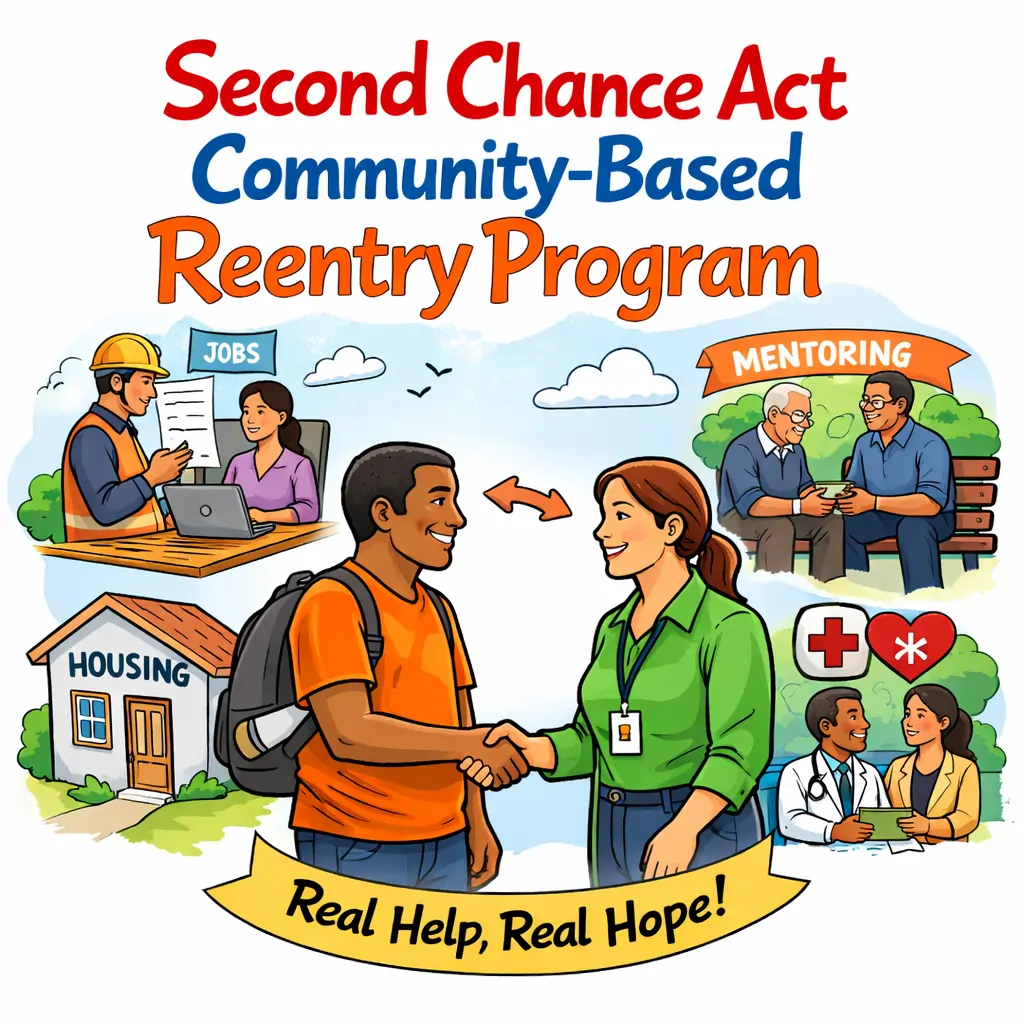
- Second Chance Act programs: Federal initiatives supporting employment, education, housing, and mentorship for returning citizens
- Local nonprofit organizations: Offer community-specific programs focused on job training, mental health support, and housing
Integration Between Government and Nonprofit Programs
Combining resources from both government and nonprofit programs often produces the most comprehensive support, covering both mandatory services and personalized assistance.
Who Should Consider This Program
- Returning citizens seeking structured, federally-funded support
- Individuals who benefit from personalized, community-based assistance
- Participants looking for a combination of both approaches for holistic reentry support
Why This Type of Reentry Program Matters
The type of organization providing services can affect accessibility, flexibility, and personalization. Government programs offer reliability and broad coverage, while nonprofit programs provide tailored support. Participants who leverage both are often the most successful in achieving long-term reintegration.
For more information on this type of reentry program, check out our article on Top 10 Best Government-Funded & Nonprofit Reentry Programs in the USA (2026 Guide)
How to Choose the Right Reentry Program
With so many types of reentry programs available, it can be overwhelming to know which one is the best fit. Choosing the right program depends on your immediate needs, long-term goals, and personal circumstances. The following steps can help you make an informed decision and maximize your chances of successful reintegration.
1. Identify Your Immediate Needs
Before selecting a program, consider the most pressing areas of support you require:
- Housing: Do you need stable living arrangements immediately after release?
- Employment: Are you looking to gain job skills or find work quickly?
- Education: Do you need GED, college access, or vocational training?
- Mental Health or Substance Use Support: Are counseling or treatment services essential?
By prioritizing your immediate needs, you can focus on programs that provide the most critical support first.
2. Consider Your Timeline
Different programs are suited to different timelines:
- Short-Term Needs (0–6 months): Housing assistance, employment programs, transportation, and immediate legal support
- Long-Term Needs (6 months+): Education, skill development, mentorship, financial literacy, and chronic healthcare
Matching your timeline with program offerings ensures you receive support when it’s most needed.
3. Evaluate Program Quality
Not all reentry programs are created equal. Look for programs that demonstrate:
- Proven outcomes: High job placement, housing stability, or reduced recidivism rates
- Reputable partners: Employer partnerships, community organizations, or government backing
- Testimonials or success stories: Insight into the program’s real-world effectiveness
4. Check Eligibility Requirements
Some programs have eligibility criteria that must be met before participation:
- Parole or probation status
- Geographic location
- Age or gender requirements
- Prior convictions
Confirming eligibility before applying saves time and prevents frustration.
5. Combine Multiple Programs
Often, the most effective reentry strategy involves combining services:
- Example: Pairing housing-first programs with employment training and mental health counseling
- Leveraging multiple types of reentry programs ensures comprehensive support and improves long-term success
6. Use Local Resources
Local community organizations, workforce development boards, and probation offices can help identify programs in your area. Searching for “reentry programs near me” or consulting your caseworker can uncover resources tailored to your location and needs.
7. Monitor Your Progress and Adjust
Reentry is an ongoing process. Evaluate your progress regularly and adjust your program participation as needed:
- Are you gaining the skills you need?
- Is your housing stable?
- Do you feel supported and guided in your reintegration?
If a program isn’t meeting your needs, don’t hesitate to explore alternatives.
Choosing the right program can make the difference between successful reintegration and repeated incarceration. By assessing needs, timeline, quality, and eligibility, returning citizens can access the support that most effectively addresses their challenges.
For more guidance on combining programs, check out our articles on:
- Top Employment Reentry Programs in the USA
- Best Housing & Support Reentry Programs
- Education & Skill Development Reentry Programs
Conclusion
Choosing the right type of reentry program can transform the post-incarceration experience. From employment-focused and housing-first programs to education, mental health support, and mentorship, each program addresses specific challenges that returning citizens face.
While no single program fits everyone, understanding your immediate needs, long-term goals, and available resources helps you make informed decisions. Combining multiple programs — such as pairing job training with counseling or housing support — often produces the best outcomes.
By leveraging government-funded initiatives, nonprofit organizations, and community-based programs, returning citizens can access the tools and support they need to build stable, productive lives.
Remember: successful reentry is a journey, not a single step. With the right programs, guidance, and determination, it’s possible to overcome barriers, rebuild relationships, and achieve lasting independence.
Frequently Asked Questions (FAQs)
What are the main types of reentry programs?
The main types include employment & job training, housing-first, education & skill development, mental health & counseling, substance abuse treatment, legal assistance, family reunification, faith-based support, mentorship & peer support, healthcare, financial literacy, transportation, and government vs nonprofit programs.
Which reentry program is best after prison?
The best program depends on your needs. For immediate stability, housing-first or employment-focused programs are effective. For long-term success, consider combining education, mentorship, and counseling programs.
Are reentry programs free in the U.S.?
Many programs are free or low-cost, especially those funded by government initiatives, nonprofits, or community organizations. Some education or vocational programs may have fees but often provide financial assistance.
How do I find reentry programs near me?
Check local workforce development offices, probation/parole offices, nonprofit organizations, and government directories. Searching online for “reentry programs near me” can also help locate nearby options.
Who qualifies for reentry programs?
Most programs serve formerly incarcerated individuals, but eligibility can depend on parole status, location, age, and program-specific criteria. Always check program requirements before applying.
Do reentry programs help with housing and jobs?
Yes. Many programs are specifically designed to provide transitional housing, job training, apprenticeships, and employment placement services to returning citizens.
Can I join multiple reentry programs at once?
Absolutely. Combining programs — for example, employment training with counseling or mentorship — often produces better outcomes and addresses multiple reentry challenges simultaneously.
Summary table of the types of reentry programs in USA
With so many different types of reentry programs available, it can be challenging to know which one fits your needs. To make it easier, we’ve created this quick-reference table summarizing the most important reentry programs in the U.S. in 2026.
For each program type, the table highlights key benefits, services offered, and who should consider it. This allows returning citizens, families, and support professionals to quickly identify programs that provide the right combination of support for housing, employment, education, healthcare, and more.
By using this table, you can compare program types at a glance and determine which ones align with your immediate needs and long-term reintegration goals.
| Type of Reentry Program | Key Benefits / Services | Best For / Who Should Consider |
|---|---|---|
| 1. Employment & Job Training | ||
| 2. Housing-First Reentry Programs | Job readiness training, vocational training, apprenticeships, resume/interview coaching | Returning citizens seeking stable employment and skill development |
| 3. Education & Skill Development | GED programs, college access, digital skills, trade certifications | Those without a diploma, or seeking long-term career growth |
| 4. Mental Health & Counseling | Trauma counseling, behavioral therapy, integrated substance support | Individuals with mental health challenges or co-occurring disorders |
| 5. Substance Abuse Treatment | Inpatient/outpatient programs, recovery groups, MAT | Individuals with addiction issues needing structured recovery support |
| 6. Legal Assistance & Expungement | Expungement services, legal aid, probation/parole support | Individuals needing to clear criminal records or navigate legal obligations |
| 7. Family Reunification | Parenting classes, family counseling, child support assistance | Parents or returning citizens seeking to rebuild family relationships |
| 8. Faith-Based Programs | Church-led support, mentorship, community integration | Individuals seeking spiritual guidance or community-based support |
| 9. Mentorship & Peer Support | One-on-one mentoring, peer groups, community accountability | Participants needing guidance, support, and social networks |
| 10. Healthcare & Medical Support | Access to clinics, Medicaid enrollment, chronic illness management | Individuals with medical needs or no insurance coverage |
| 11. Financial Literacy & Economic Support | Budgeting training, credit repair, grants/stipends | Returning citizens needing financial stability and money management skills |
| 12. Transportation Assistance | Bus passes, license reinstatement, transportation vouchers | Participants lacking reliable transportation for work, school, or appointments |
| 13. Government-Funded vs Nonprofit Programs | Structured government programs, community-based nonprofit initiatives | Those seeking broad access (govt) or personalized support (nonprofit) |
This table provides a clear overview of the types of reentry programs, but it’s only the first step in the journey. To get the most out of these programs, you should:
- Assess your personal needs and priorities.
- Consider combining multiple program types for comprehensive support.
- Use local resources and program coordinators to find available opportunities near you.
For more detailed guidance, read our full sections above on each program type, including examples, benefits, and tips on how to access them. By leveraging the right mix of programs, returning citizens can increase their chances of a successful reintegration and long-term stability.
Looking for the best reentry programs, grants, and support opportunities in the U.S.?
Visit GrantsReentryPrograms.us for updated guides, verified programs, and step-by-step resources designed to help returning citizens succeed.
Don’t miss out — explore the latest opportunities and start rebuilding your future today.